“Dogs are not our whole life, but they make our lives whole.” - Roger Caras

“The Best Therapist has fur and four legs.”

“What greater gift than the love of a cat?” - Charles Dickens

"Cats never strike a pose that isn't photogenic" - Lillian Jackson Braun

“There is no psychiatrist in the world like a puppy licking your face.” - Ben Williams

Showing posts with label Cats. Show all posts

04 July 2023

Understanding Feline Panleukopenia


Feline Panleukopenia (FPV): Understanding the Silent Threat to Cats

Cats, with their graceful movements and mysterious nature, have long been beloved companions for humans. However, behind their enigmatic allure lies a silent threat known as Feline Panleukopenia,

 a highly contagious and potentially fatal viral disease. Also referred to as feline distemper or feline parvovirus, this disease can have devastating consequences for cats if left untreated. In this article, we will delve into the intricacies of Feline Panleukopenia, exploring its causes, symptoms, prevention, and treatment.

Causes and Transmission: Feline Panleukopenia is caused by a virus known as the feline parvovirus. This virus is extremely resilient and can survive in the environment for long periods, making it highly contagious. It can be transmitted through direct contact with an infected cat, their faeces, urine, or even contaminated objects such as food bowls, bedding, and litter boxes. Additionally, pregnant cats can transmit the virus to their unborn kittens, leading to severe complications and potentially death.

Symptoms and Effects: The feline parvovirus primarily attacks rapidly dividing cells, resulting in a significant drop in the cat's white blood cell count, a condition known as panleukopenia. The virus primarily affects the bone marrow, gastrointestinal tract, and immune system, leading to a range of symptoms. Common signs of Feline Panleukopenia include:

  1. Fever: Cats infected with the virus may develop a high temperature, which is often accompanied by lethargy and loss of appetite.
  2. Vomiting and Diarrhoea: Gastrointestinal symptoms are common in infected cats, leading to frequent episodes of vomiting and diarrhoea, sometimes containing blood.
  3. Dehydration: The combination of vomiting and diarrhoea can quickly lead to dehydration, which, if left untreated, can become life-threatening.
  4. Weakness and Depression: Cats with Feline Panleukopenia often appear weak, depressed, and uninterested in their surroundings. They may isolate themselves and exhibit a lack of energy.
  5. Neurological Symptoms: In severe cases, the virus can affect the cat's nervous system, leading to tremors, seizures, and lack of coordination.


Prevention: Prevention is crucial in combating Feline Panleukopenia. Vaccination is the most effective means of preventing this disease. It is recommended to vaccinate kittens against the feline parvovirus at around 6 to 8 weeks of age, with booster shots administered every three to four weeks until they reach 16 weeks old. Adult cats should also receive regular vaccinations to maintain immunity.

Apart from vaccination, practicing good hygiene is essential in preventing the spread of the virus. Disinfecting litter boxes, food bowls, and bedding regularly, especially in multi-cat households or areas with a high cat population, can help minimize the risk of transmission. It is also crucial to keep infected cats isolated from healthy ones until they have fully recovered.

Treatment: Unfortunately, there is no specific cure for Feline Panleukopenia. Treatment primarily focuses on supportive care to alleviate symptoms and aid the cat's recovery. This includes fluid therapy to combat dehydration, nutritional support, and medications to control vomiting and diarrhoea. Infected cats are often hospitalised to receive round-the-clock care and monitoring.

Prompt veterinary intervention is crucial when dealing with Feline Panleukopenia. Early diagnosis and treatment increase the chances of survival, as the disease progresses rapidly and can be fatal if left untreated.

Conclusion: Feline Panleukopenia is a serious viral disease that poses a significant threat to the feline population. Understanding its causes, symptoms, prevention, and treatment is vital in safeguarding

 the health and well-being


Disclaimer: 

The information provided on this blog is for educational and informational purposes only. It is not intended to be a substitute for professional veterinary advice, diagnosis, or treatment. Always seek the advice of a qualified veterinarian with any questions or concerns you may have regarding the health and well-being of your pet. The authors of this blog are not veterinarians and do not provide veterinary medical advice. The use of information from this blog is at your own risk. The authors and the blog owner will not be liable for any errors or omissions in the information provided, nor for any losses, injuries, or damages arising from the use of the information provided on this blog. It is important to consult with a licensed veterinarian for proper diagnosis and treatment of your pet's health conditions.

Read More

19 June 2023

Feline Infectious Peritonitis


Feline Infectious Peritonitis

Causes, Symptoms, and Treatment


  Feline Infectious Peritonitis (FIP) is a viral disease that affects domestic cats, particularly those living in multi-cat environments. This article aims to shed light on the causes, symptoms, and available treatments for FIP, providing cat owners with valuable knowledge to help protect their feline companions.

  Feline Infectious Peritonitis is caused by a coronavirus known as feline coronavirus (FCoV). While most cats infected with FCoV experience mild symptoms or no symptoms at all, in some cases, the virus mutates within the cat's body, resulting in FIP. The exact reasons why some cats develop FIP are not fully understood, but factors such as a weakened immune system, genetic predisposition, and environmental stressors are believed to play a role.

  Types of FIP:  FIP can manifest in two forms: the wet (effusive) form and the dry (non-effusive) form. The wet form is characterized by the accumulation of fluid in the abdomen or chest, leading to distension and difficulty breathing. The dry form, on the other hand, affects various organs, causing granulomas and lesions to form. Both forms of FIP can be fatal if left untreated.

  Symptoms and Diagnosis:  The symptoms of FIP can vary depending on the affected organs and the form of the disease. Common signs include weight loss, loss of appetite, fever, lethargy, jaundice, and diarrhea. In the wet form, abdominal distension and difficulty breathing may be observed, while the dry form can lead to neurological symptoms such as seizures and uncoordinated movements.

  Diagnosing FIP can be challenging as the symptoms can mimic other feline diseases. Veterinarians typically conduct a thorough physical examination, review medical history, and perform laboratory tests including blood work, imaging, and analysis of fluid from affected areas. Unfortunately, definitive diagnosis of FIP often requires invasive procedures such as biopsy or post-mortem examination.

  Treatment and Prevention:  Currently, there is no known cure for FIP, and treatment options are limited. Veterinarians focus on supportive care to alleviate symptoms and improve the cat's quality of life. This may include fluid therapy, nutritional support, anti-inflammatory drugs, and medications to manage secondary infections. However, the prognosis for cats with FIP remains poor.

  Prevention primarily involves minimizing the exposure of cats to FCoV. Good hygiene practices, such as regularly disinfecting litter boxes and communal areas, can help reduce viral transmission. Additionally, limiting overcrowding and stress in multi-cat environments may decrease the likelihood of FIP development.

  Conclusion:  Feline Infectious Peritonitis is a devastating viral disease that affects cats worldwide. While it remains a challenging condition to diagnose and treat, understanding its causes, symptoms, and prevention strategies is crucial for cat owners. Regular veterinary check-ups, maintaining a clean living environment, and reducing stress can all contribute to the well-being of our feline companions.


Disclaimer: The information provided on this blog is for educational and informational purposes only. It is not intended to be a substitute for professional veterinary advice, diagnosis, or treatment. Always seek the advice of a qualified veterinarian with any questions or concerns you may have regarding the health and well-being of your pet. The authors of this blog are not veterinarians and do not provide veterinary medical advice. The use of information from this blog is at your own risk. The authors and the blog owner will not be liable for any errors or omissions in the information provided, nor for any losses, injuries, or damages arising from the use of the information provided on this blog. It is important to consult with a licensed veterinarian for proper diagnosis and treatment of your pet's health conditions.


Read More

05 June 2023

Understanding Feline Immunodeficiency Virus


Understanding Feline Immunodeficiency Virus


  Feline Immunodeficiency Virus (FIV) is a viral disease that affects domestic cats, similar to the human immunodeficiency virus (HIV) in humans. FIV weakens a cat's immune system, making them more susceptible to various infections and diseases. Understanding FIV, its transmission, symptoms, diagnosis, and management is crucial for cat owners and veterinarians alike.

  FIV is primarily transmitted through bite wounds during aggressive fights between cats, as the virus resides in high concentrations in the saliva of infected cats. Less commonly, it can also be transmitted from an infected mother to her kittens during birth or through nursing. It's important to note that FIV cannot be transmitted to humans or other animal species.

  Once a cat becomes infected with FIV, the virus targets and attacks the immune system's white blood cells, particularly T-lymphocytes. This gradually weakens the immune system, leaving the cat vulnerable to infections, chronic illnesses, and certain types of cancer. However, not all cats infected with FIV develop severe symptoms or become ill immediately. Some may remain asymptomatic carriers for years.

  The symptoms of FIV can vary widely and may resemble those of other diseases. Common signs include weight loss, poor appetite, lethargy, recurring infections, dental problems, gastrointestinal issues, and skin infections. As these symptoms can also be indicative of other health conditions, it's important to consult a veterinarian for a proper diagnosis.

  To diagnose FIV, veterinarians conduct specific blood tests that detect the presence of antibodies or viral genetic material. It's worth noting that these tests may produce false-negative results if performed during the initial stages of infection. For accurate results, it is recommended to retest cats six to eight weeks after potential exposure.

  Unfortunately, there is no cure for FIV. However, with proper care and management, infected cats can still lead long and relatively healthy lives. It's crucial to provide them with a stress-free environment, a balanced diet, and regular veterinary check-ups. Preventive measures, such as keeping infected cats indoors to prevent fights and reduce the risk of transmitting the virus to other cats, are also essential.

  Vaccination against FIV is available in some regions. The FIV vaccine can help protect uninfected cats from becoming infected but does not cure or eliminate the virus in already infected cats. It's important to discuss vaccination options with a veterinarian, taking into consideration the cat's lifestyle and potential exposure to other cats.

  When introducing a new cat to a household with an FIV-positive cat, careful consideration and veterinary guidance are necessary. While FIV can be transmitted through bites, transmission through casual contact or sharing food bowls, litter boxes, or grooming is extremely rare. Most FIV-positive cats can coexist peacefully with FIV-negative cats without spreading the virus.

  Proper education and awareness about FIV are crucial to prevent its spread and ensure the well-being of infected cats. Cat owners should spay/neuter their cats to reduce aggressive behaviour and the likelihood of fights. Regular veterinary check-ups and open communication with the veterinarian can help detect FIV early and provide appropriate care.

  In conclusion, Feline Immunodeficiency Virus (FIV) is a viral disease that affects cats' immune systems. While there is no cure for FIV, infected cats can still live long and healthy lives with proper care and management. Preventive measures, including vaccination and minimizing exposure to potential sources of infection, are essential. By understanding FIV, its transmission, and its impact on cats' health, we can better protect and care for our feline companions.


Disclaimer: The information provided on this blog is for educational and informational purposes only. It is not intended to be a substitute for professional veterinary advice, diagnosis, or treatment. Always seek the advice of a qualified veterinarian with any questions or concerns you may have regarding the health and well-being of your pet. The authors of this blog are not veterinarians and do not provide veterinary medical advice. The use of information from this blog is at your own risk. The authors and the blog owner will not be liable for any errors or omissions in the information provided, nor for any losses, injuries, or damages arising from the use of the information provided on this blog. It is important to consult with a licensed veterinarian for proper diagnosis and treatment of your pet's health conditions.

Read More

22 May 2023

Upper Respiratory Infection In Cats


Understanding Upper Respiratory Infection in Cats
Protecting Your Feline's Health


Introduction

Cats are known for their independent and resilient nature, but they too can suffer from various health conditions, including upper respiratory infections. Just like humans, felines are susceptible to respiratory infections that can significantly impact their overall well-being. In this article, we will explore the causes, symptoms, treatment, and prevention of upper respiratory infections in cats, shedding light on the importance of cat health.

Causes of Upper Respiratory Infections in Cats

Upper respiratory infections in cats are commonly caused by viral and bacterial pathogens. The most common culprits include feline herpesvirus (FHV-1) and feline calicivirus (FCV), which can be highly contagious among feline populations. These infections can be transmitted through direct contact with an infected cat, contaminated objects, or even airborne droplets.

Symptoms of Upper Respiratory Infections in Cats

Recognising the symptoms of an upper respiratory infection in cats is crucial for prompt intervention. The most common signs include sneezing, nasal discharge (clear or thick), congestion, coughing, excessive tearing, red or swollen eyes, loss of appetite, lethargy, and even fever. In severe cases, cats may exhibit difficulty breathing, wheezing, or open-mouth breathing, indicating a more serious respiratory distress.

Treatment Options for Upper Respiratory Infections

When faced with an upper respiratory infection in your feline companion, seeking veterinary care is essential. The veterinarian will conduct a thorough examination to diagnose the infection and determine the appropriate treatment plan. While there is no specific cure for viral infections, supportive care is crucial to help your cat recover. Treatment may include:

  1. Medications: Antiviral and antibiotic medications may be prescribed to control secondary bacterial infections and alleviate symptoms.
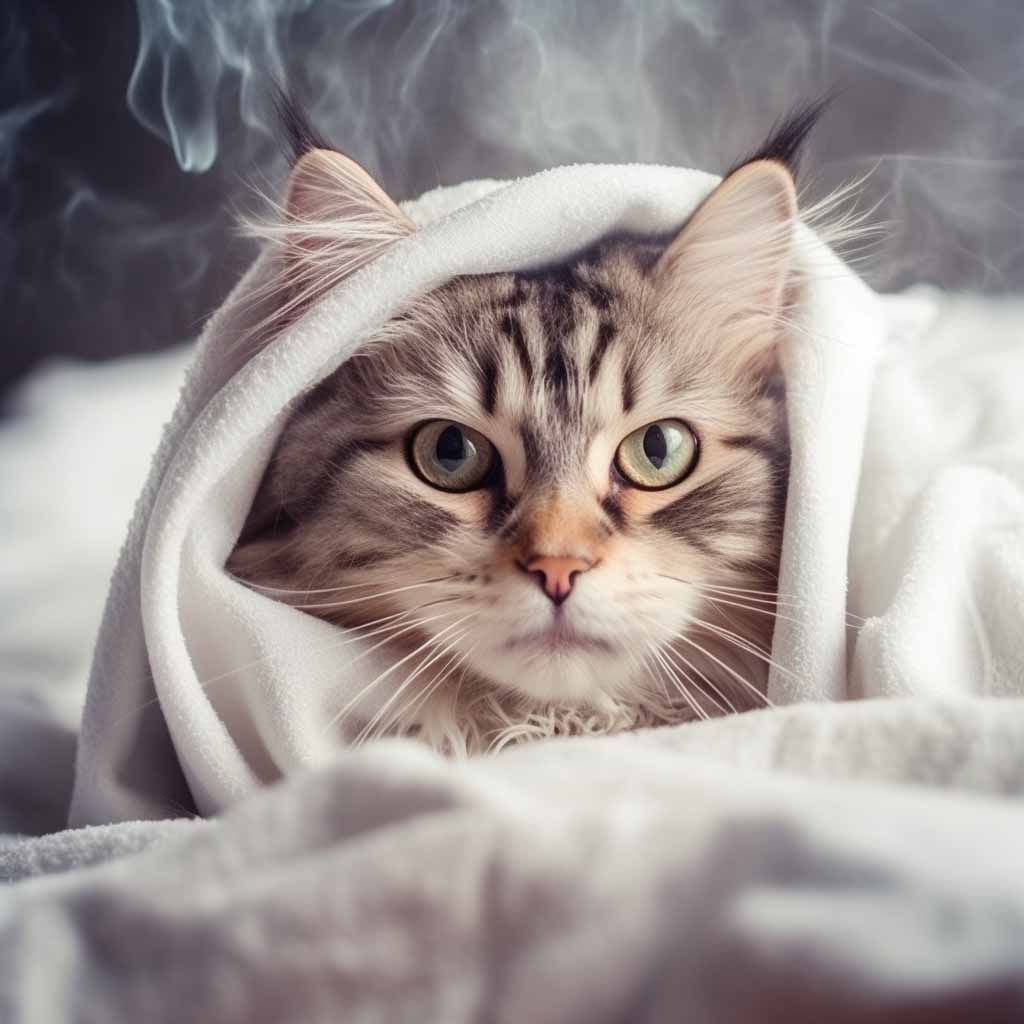
  2. Steam Therapy: Creating a humid environment through steam therapy can help relieve congestion and ease breathing. This can be achieved by placing a humidifier or using a vaporiser in a quiet room where your cat spends most of its time.
  3. Nutritional Support: Encouraging your cat to eat and stay hydrated is vital during recovery. Offer moist or warm food to stimulate their appetite, and ensure fresh water is readily available.
  4. Isolation and Rest: Isolating the infected cat from other felines in the household can prevent the spread of infection. Provide a quiet, comfortable space where they can rest and recover without undue stress.

Prevention and Care for Cat Health

Preventing upper respiratory infections in cats requires proactive measures to safeguard their health. Here are some important steps to consider:

  1. Vaccinations: Ensure your cat receives regular vaccinations, including those for feline herpesvirus and calicivirus. Vaccination is the most effective way to reduce the severity and frequency of infections.
  2. Hygiene Practices: Practice good hygiene by regularly disinfecting food and water bowls, litter boxes, bedding, and toys. Wash your hands thoroughly before and after handling cats, especially if they have been exposed to other felines.
  3. Stress Reduction: Minimize stressors in your cat's environment, as stress weakens their immune system. Provide a calm and enriching living space, with plenty of hiding spots, scratching posts, and playtime.
  4. Regular Veterinary Check-ups: Schedule routine visits to the veterinarian to ensure your cat's overall health and detect any potential issues early.

Conclusion

Upper respiratory infections can significantly impact a cat's health and well-being. By understanding the causes, recognizing the symptoms, seeking timely veterinary care, and taking preventive measures, we can protect our feline companions from these infections. By prioritizing cat health, we can help our beloved pets lead happier and healthier lives, free from the discomfort and complications associated with upper respiratory infections.


Disclaimer: The information provided on this blog is for educational and informational purposes only. It is not intended to be a substitute for professional veterinary advice, diagnosis, or treatment. Always seek the advice of a qualified veterinarian with any questions or concerns you may have regarding the health and well-being of your pet. The authors of this blog are not veterinarians and do not provide veterinary medical advice. The use of information from this blog is at your own risk. The authors and the blog owner will not be liable for any errors or omissions in the information provided, nor for any losses, injuries, or damages arising from the use of the information provided on this blog. It is important to consult with a licensed veterinarian for proper diagnosis and treatment of your pet's health conditions.
Read More

08 May 2023


Feline Leukemia Virus


Feline leukemia virus (FeLV) is a viral disease that affects domestic cats and other felids. The virus belongs to the Retroviridae family and is a type of oncornavirus. FeLV attacks the cat's immune system and can lead to a wide range of health problems. The virus is primarily spread through close contact with infected cats.

FeLV can be divided into three main types based on their biological properties: 

1. FeLV-A
2. FeLV-B
3. FeLV-C. 

FeLV-A is the most common type and is responsible for most of the infections in cats. It is relatively mild and causes only mild symptoms, such as fever and loss of appetite. FeLV-B is a more virulent strain and can cause severe immunosuppression and anaemia. FeLV-C is the most aggressive strain and can cause severe immunosuppression and malignancies.

The transmission of FeLV occurs through the exchange of bodily fluids, such as saliva, urine, and faeces, between infected and uninfected cats. The virus is most commonly spread through mutual grooming, sharing of food and water bowls, and biting. Pregnant cats can also pass the virus to their kittens, both during gestation and through their milk.

Cats infected with FeLV can experience a wide range of symptoms, including lethargy, weight loss, fever, anaemia, and infections. FeLV can also cause cancerous conditions such as lymphoma and leukemia. Infected cats may also develop other diseases, such as kidney disease, respiratory infections, and oral infections. Additionally, FeLV can cause neurological problems, such as seizures and behavioural changes.

FeLV is diagnosed through a blood test that detects the presence of the virus in the cat's bloodstream. Cats that test positive for the virus may require additional tests, such as x-rays or ultrasounds, to evaluate the extent of the disease.

Currently, there is no cure for FeLV, and the treatment options are limited. The primary goal of treatment is to manage the symptoms and prevent secondary infections. Supportive care, such as fluid therapy and nutritional support, is often necessary to maintain the cat's health. In some cases, antiviral medications may be used to slow down the progression of the disease.

Prevention is the best way to manage FeLV. Vaccination is an effective way to prevent the infection and is recommended for all cats, especially those that go outside or live with other cats. Vaccination is typically done in two doses, given three to four weeks apart, and then repeated annually. Other preventative measures include avoiding contact with infected cats and keeping cats indoors.

If a cat tests positive for FeLV, it is important to isolate the cat from other cats and to follow strict hygiene measures to prevent the spread of the virus. Additionally, it is important to monitor the cat closely for any changes in its health and to seek veterinary care if any symptoms develop.

In conclusion, FeLV is a serious viral disease that affects cats worldwide. While there is no cure for FeLV, preventative measures, such as vaccination and strict hygiene practices, can help reduce the spread of the virus. Early detection and treatment can also help manage the symptoms and improve the cat's quality of life.


Disclaimer: 

The information provided on this blog is for educational and informational purposes only. It is not intended to be a substitute for professional veterinary advice, diagnosis, or treatment. Always seek the advice of a qualified veterinarian with any questions or concerns you may have regarding the health and well-being of your pet. The authors of this blog are not veterinarians and do not provide veterinary medical advice. The use of information from this blog is at your own risk. The authors and the blog owner will not be liable for any errors or omissions in the information provided, nor for any losses, injuries, or damages arising from the use of the information provided on this blog. It is important to consult with a licensed veterinarian for proper diagnosis and treatment of your pet's health conditions.

Read More

24 January 2022

7 Quick And Easy Ways To Solve Your Cat Litter Problem!


Want to solve your cat's litter box behavior problem? It's easier than you think once you understand these 7 essential keys to get your cat to use the litter box again, quickly and easily. This article provides all the tips and tricks you need to make it happen.

Has this ever happened to you? Your cat's peeing outside the litter box, and you're desperately trying to clean up after your cat, wondering if you're actually doing anything to stop it from happening in the first place!

Well, if you're like me, you probably want some quick solutions to the problem, or at least a list of checkpoints that you know you must, like a detective on a trail, work through, to get the litter box behavior problem under control.

By the time you finish this article, you will have learnt the 7 most important steps you must know, when it comes to this problem of the cat peeing outside the litter box.

Firstly, let's have a look at the reasons why this happens. The reasons for peeing outside the litter box are:

1. A medical problem.

2. The cat that has never been properly house trained to use the litter box in the first place.

3. Problems with the litter tray itself.

4. An unpleasant event that occurred while the cat was at the litter box.

5. A temporary physical or emotional stress, or change in the household causing the cat to urinate in an area outside the box, which is perpetuated by the urine smell reminding the cat to return to the same area over and over again.

6. Old age causing a cat to not be easily able to get to the litter box.

Now, keep these causes in mind, when checking out the 7 action steps:

1. If there's a change in toilet behavior with no obvious cause, it may be caused by illnesses such as urinary tract infections, blocked anal glands, worms and parasites, diabetes and tumors. These illnesses may have no other obvious signs, apart from this urination problem. So you must consider a visit to the vet. In other cases you may see symptoms such as lethargy, blood in the urine, diarrhea, or constant licking in the anal area. If you see this, then your first stop is the vet!

2. Look at the litter box itself. Ensure you're cleaning out the waste once or twice a day, and changing the litter every 3-4 days for non-clumping litter (2-3 weeks for clumping litter). Clean the tray with hot water and mild detergent, without any strong odors such as citrus or ammonia, which will repel the cat from the box. If you have multiple cats, remember - the number of trays should equal number of cats, plus one or two. If you've changed brands of litter, this may have caused the problem as many cats dislike this change, especially to scented litter. Return to the older litter. If you want to change, introduce unscented litter gradually by mixing the old with the new over 2 weeks. And ensure that the location of the box is acceptable: no loud noises, has some privacy, and is not in view of other cats.

3. Consider adding in 1 more litter box to another suitable private location of the house. This is because sometimes it's not the litter box that's the problem, but a negative experience there. For example, if your kids played with the cat while she was on the litter box, or if the cat had pain when urinating, such as during a urine infection, after having kittens, or had a procedure done on the bladder or urethra at the vet, then the cat would associate pain with that litter box. Even if the pain is gone, the association and is still there.

4. Thoroughly clean the area that has been peed on. This is important because no matter what the cause, the fact that the urine remains on the bed, carpet, or sofa is a reminder for the cat to return to pee there. The cat's sense of smell is more acute than ours, so ensure you clean with a solution such as Brampton's Simple Solution. If you have remaining urine smell together with a bad association at the box, then you have 2 forces causing the problem to continue. So get rid of both!

5. Next, if possible, deny the cat access to the area that is peed on, especially if it's an area that is repeatedly used. Many people forget to do this, and their problem is prolonged. By stopping access, the cycle of repeated urination is stopped. Will the cat pee somewhere else? Possible, though less likely if you provide a second litter box, show him where it is a few times, and also do the step 7 below.

6. If you can't stop the cat from accessing the area, make the area less attractive for peeing instead. You can do this by either placing a scent, or, by placing a bowl of dried cat food there. If using a scent, try citrus or eucalyptus. If using dried food, which often works better, ensure that you top up the food bowl during the day. Either way, once you have success, continue for another 1-2 weeks to ensure it stays that way.

7. If you're at home when the cat is, then you have this step up your sleeve as well: the startle technique. Only do this method if you actually catch the cat about to urinate because if you do it at any other time, that cat will not be able to associate that urinating in the area with the unpleasant startle. Startle the cat with a loud "No!" or clap of the hands. Wait 5 minutes, then bring the cat to the litter tray, and if she toilets at the tray, reward her with praise and a food treat. As long as the length and enjoyment of the reward if far greater than the startle, this will be unlikely to cause stress. Use this method carefully as some cats may experience stress with it. Make sure that the cat seems relaxed after the food treat, and that it's actually improving the situation.

If you follow the above steps, most problems of peeing outside the litter box will be solved within days or gradually improve over 1-2 weeks.

Remember in all cases, you'll be even more effective if you reduce stress at the same time. This means more play time and attention.

In conclusion, it does take some effort and detective work to see what has caused the litter box behavior problem in the first place. And you now know how to apply 7 essential steps to help you solve this issue, as quickly and effectively as possible.


 Join our Facebook Group: https://www.facebook.com/groups/wearewhiskersclub


Read More

Social Profiles

Youtube Facebook Website Instagram RSS Feed Email Pinterest

About

Blog dedicated to the world wide community of pet lovers. Join us in our pursuit of continuous education and the betterment of our furry friends lives.

Popular Posts

Blog Archive

Download The FREE Guide

Download The FREE Guide
A Guide Of Toxic & Safe Human Foods For Your Pets

Blogroll

Pet Lovers Blog

Copyright © Whiskers Club | Powered by Blogger
Design by Lizard Themes | Blogger Theme by Lasantha - PremiumBloggerTemplates.com